
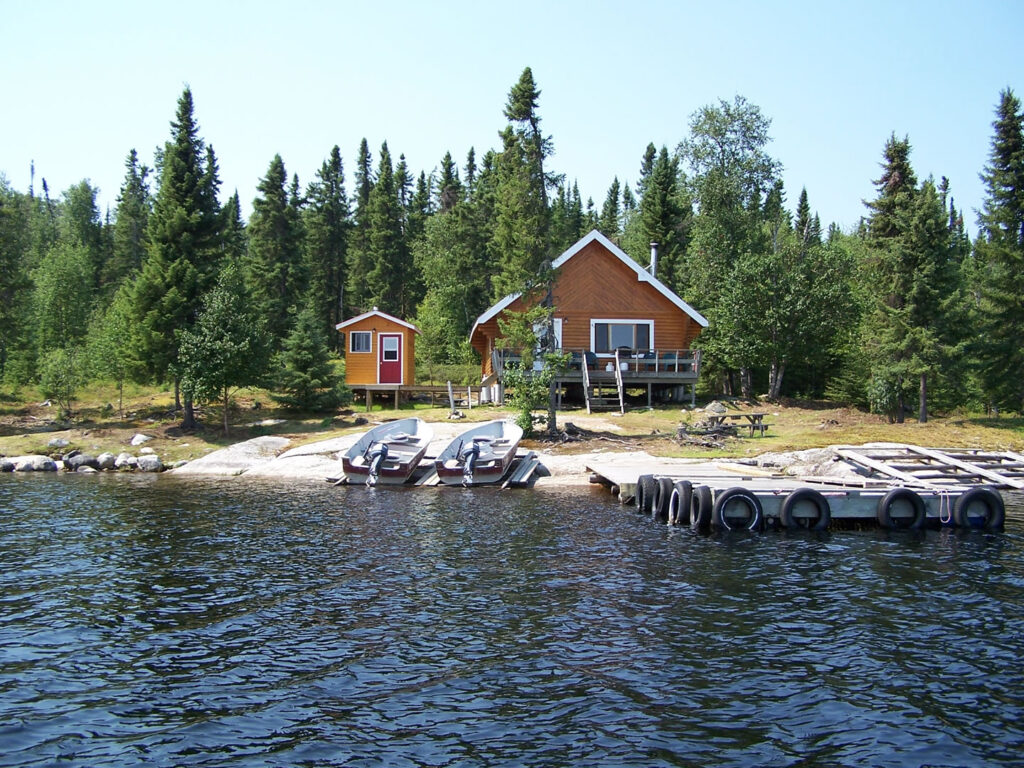
Anglers who fish big systems like the Ogoki Reservoir know that seasonal changes play a major role in how predators move throughout the water. On a reservoir that spans more than 35,000 acres, even small shifts in temperature, wind, and daylight can influence where fish set up and how they behave. Over the decades we have spent on this water, we’ve seen consistent patterns return season after season, and understanding those patterns helps anglers stay one step ahead no matter when they visit.
The Ogoki fishes differently from smaller natural lakes. Its depth, size and structure mean fish can move long distances when conditions change. The strong inflow from the Ogoki River, the wide basins, and the variety of underwater features all create a reservoir that behaves in distinct seasonal cycles. Learning how these cycles work is one of the best ways to get the most out of your time here, no matter when you plan your trip.
Spring: A Season of Movement
Spring on the Ogoki often starts with cold water and rising clarity. As the reservoir begins to warm and new weed growth appears, fish take advantage of the first comfortable shallows they can find. Walleye follow early-season food sources along rocky points, narrow cuts and areas near the inflow where temperatures warm faster. The river plays an important role in early movement because its current draws baitfish and keeps oxygen levels high.
Northern pike make their presence known in spring as well. They move into warming bays, flooded grass and shallow pockets with timber. Pike take advantage of these areas because they allow them to feed with little effort. As sunlight increases and water temperatures rise, these shallows become reliable places to find active fish.
Spring can be one of the most enjoyable times to explore the reservoir. The fish are moving, the water is changing quickly and many areas become productive all at once. With fish becoming more active as the water warms, spring often brings steady action and plenty of reasons to spend time exploring new areas.
Summer: Expanding Habitat and Deeper Water
As summer settles in, the reservoir becomes more predictable in some ways and more challenging in others. Rising temperatures push prey into deeper or cooler water, and walleye follow. The edges of reefs, humps, and long points become important pieces of structure because they provide quick access to depth changes. These areas also sit in good positions to catch moving water, which increases oxygen and keeps feeding activity steady.
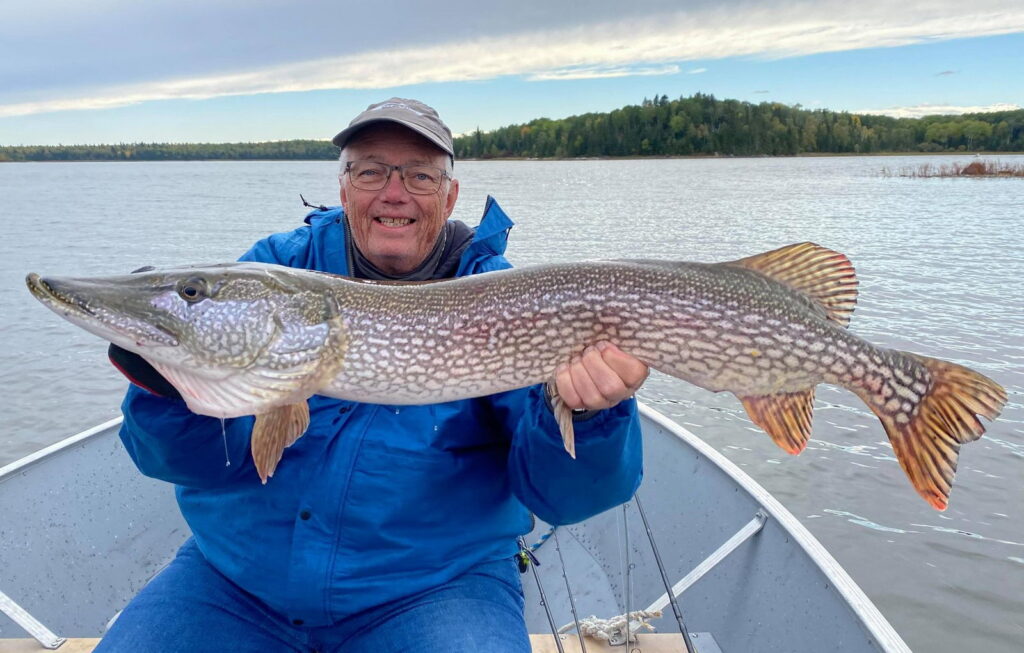
Pike spend a lot of time relating to weed growth during summer. They hold near deeper beds of vegetation that stay cool or sit along the transitions between weeds and open water. Some of the largest pike in the reservoir are found in areas where deeper pockets of cooler water sit right next to structure. Summer can also be a good time to pay attention to wind direction. On a reservoir this large, wind can also push prey into predictable zones and encourage both species to hold on the windblown side of points and shorelines.
The wide basins of the Ogoki often play a greater role in summer, as well. Walleye slide into deeper edges where the structure meets the basin, while pike drop into cooler pockets that sit just off major contours. Once you understand how the reservoir’s depth and structure work together, you’ll see summer also becomes a season of steady, reliable patterns.
Fall: Cooling Water and Concentrated Fish
Fall may be the most consistent season on the Ogoki Reservoir. Once the water starts cooling and daylight shortens, fish feed more regularly to prepare for winter. Walleye return to points, breaks, and current areas where baitfish concentrate. The edges of reefs and saddles become especially productive as they tighten into smaller groups.
Pike grow more active again as temperatures drop. They often hold along shoreline breaks, rocky points and deeper weed edges. Because the reservoir is so large, fall conditions help concentrate fish in ways that make them easier to track. Cooling water levels the playing field by creating comfortable temperatures across more of the system, which encourages both species to stay on the move.
Many anglers consider fall to be the ideal time to fish the Ogoki because the patterns are clear and the fish respond well to stable cooling trends. The water feels different in fall. It quiets down, conditions stabilize, and the movement of fish becomes more predictable.
How the Reservoir’s Size Influences Seasonal Behavior
Seasonal movement on a reservoir this size is shaped by more than just temperature. The broad structure, multiple basins and strong inflow create layers of behavior that make the Ogoki unique. Once you recognize how the water shifts between spring, summer, and fall, patterns begin to form. Those patterns tie directly into the reservoir’s structure, its prey base, and the way predators travel through the system.
Fishing the Ogoki Reservoir is a steady balance of paying attention to what the season is telling you and understanding the larger movements of the water. When you combine the structure of the reservoir with its natural seasonal rhythm, you get a clearer sense of why the fishing stays so strong year after year.

Looking Ahead to Your Next Season
Winter gives many anglers a chance to regroup and think about where they want to fish when the open-water season returns. If you enjoy systems that fish differently month to month and offer steady walleye and northern pike action through all three main seasons, the Ogoki Reservoir has a lot to offer.
When you’re ready to plan your next trip to Mattice Lake Outfitters, we’re here to help you get familiar with the water and make the most of the changing conditions throughout the season.