
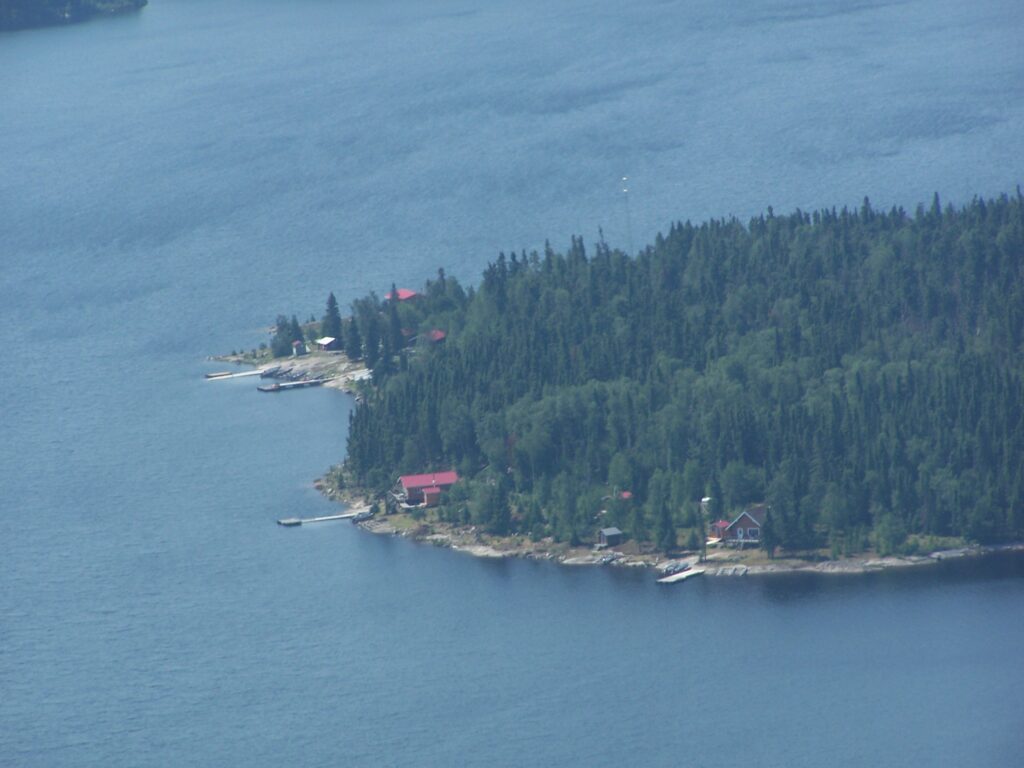
Most anglers who fish the Ogoki Reservoir for the first time notice the “structure,” for lack of better term, before they notice anything else. You look around and see points, islands, bays, and cuts in every direction. Once you start working your way across the water, the depth changes tell an even bigger story. There are places where the bottom drops fast, areas where old shorelines run a long ways underwater, and stretches with enough submerged timber to make you slow down and pay attention. It doesn’t take long to realize that this reservoir is all about structure, and the fish here use every bit of it.
Understanding how walleye, northern pike, and other resident species relate to these features is one of the best ways to stay consistent in your success. The reservoir is enormous, so knowing how predators navigate it helps to narrow things down and fish more confidently. You don’t need to know every inch of the Ogoki Reservoir; you just need to understand how certain types of structure tend to hold fish and why.
Points and Shoreline Breaks
Points are one of the most dependable features on the Ogoki. The reservoir has long, rocky points created by the original lake shorelines, and they often extend much farther underwater than you would expect. Walleye use these areas throughout the year because points give them quick access to both deep and shallow water. They also act as natural travel routes, especially during low-light periods when fish move along the edges to feed.
Northern pike use points differently. They often sit along the edges where they can rush into shallower water to feed, especially if the point has weeds or isolated timber nearby. Pike also relate strongly to windblown points during summer and fall. When the wind pushes bait against a shoreline, the odds of an active pike being nearby go up.
Shoreline breaks follow the same logic. Wherever the reservoir drops along a shoreline, there is usually a mix of rock, sand, and softer bottom. Walleye favor a drop that leads to a clean transition, whereas pike prefer cover along the break. Both species use these areas often enough that once you learn the feel of a good break, you start recognizing similar spots all over the reservoir.
Reefs, Humps, and Mid-Lake Rises
One of the benefits of fishing a mature reservoir is the number of reefs and humps scattered across the system. These mid-lake structures are steady producers for both walleye and pike because they concentrate baitfish. Walleye often hold on top or just off the edges, while pike use the deeper sides or the vegetation that sometimes grows along them. Depending on the season, these humps can be a stopping point for fish moving between shallow and deep water.
On a reservoir the size of the Ogoki, you could spend an entire trip to our Northern Ontario Outfitter exploring nothing but mid-lake features and still find new spots every day. The variety is a major advantage, especially when you understand how fish move around these structures as conditions shift. These areas also highlight how important knowledge of reservoir structure can be for consistent fishing.
Old River Channels and Basin Transitions

The old river channels left behind during the formation of Ogoki Reservoir create some of its most important features. These channels act like highways for walleye because they provide travel routes with depth, temperature stability, and consistent current influence from the Ogoki River inflow. When fish begin moving between seasonal locations, these channels often guide their path.
Pike use these areas too, but usually in a different way. They tend to hold along the edges where a channel meets a flat or a rise. This puts them in position to ambush forage moving through the system. When you understand where these channels run, it becomes easier to figure out how fish transition between different parts of the reservoir as the year progresses.
The deeper basin areas also matter, especially during the warmest stretches of summer. Walleye use basin edges when they slide deeper, while pike drop into the cooler pockets that form next to structure. These basin transitions serve as holding areas when temperatures push predators away from shallow cover.
Submerged Timber and Old Shorelines
Submerged timber is common on many parts of the reservoir, especially in bays and pockets that were once dry ground before the reservoirs were joined. Pike take full advantage of this cover. They hold tight to the timber, wait along the edges, and use these pockets as feeding areas during warm stretches. Walleye occasionally move through these areas when forage is present, but pike benefit the most from the shade and cover.
Old shorelines are another feature that consistently holds fish. Before the water rose, these shorelines had weed growth, rock, and natural breaks. Once submerged, they became long underwater edges that walleye follow during feeding periods. These lines create predictable travel routes and are worth exploring whenever you want to understand how fish are moving from one area to another.
How Structure Fits into the Bigger Picture
The Ogoki Reservoir is large enough that structure plays a more important role here than on many natural lakes. When the water covers 35,000 acres, fish have more room to spread out, and understanding its contours helps you narrow down where to spend your time. It also ties directly into how seasonal fishing patterns influence the movement of walleye and pike as water conditions change.
Learning the layout of the reservoir is part of the fun. Each point, reef, channel, or bay has its own personality. Once you recognize how the fish use them from spring through fall, the entire reservoir starts to feel more familiar. Even if you’re planning your trip to our Northern Ontario Outfitter for the first time, focusing on structure will undoubtedly give you a solid starting point.
Plan Your Next Fishing Trip in Northern Ontario
Learning the layout of a big water system takes time, but the payoff on the Ogoki is worth it. The structure here gives anglers plenty of options, and once it starts to make sense, the fishing becomes even more enjoyable.
When you’re ready to plan a trip to Mattice Lake Outfitters, we’re always glad to help you get comfortable with the reservoir and make the most of the experience. Give us a call today to plan your future booking!