
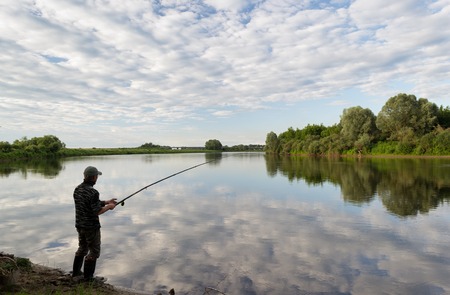
A fly-in fishing trip is one of the most memorable ways to experience Northern Ontario. Instead of launching from a busy public access point, you board a floatplane, fly over miles of wilderness, and land near water that feels quiet, remote, and full of possibility.
Because fly-in trips are different from standard fishing getaways, a little preparation goes a long way. Packing smart, keeping your gear organised, and understanding what to expect can help you make the most of every day on the water.
Pack with Weight Limits in Mind
One of the biggest adjustments for first-time fly-in guests is packing for air travel. Space and weight matter when travelling by floatplane, so it is important to bring what you need without overpacking.
Choose soft-sided bags when possible because they are easier to load and store than hard suitcases. Keep clothing practical, limit duplicate items, and avoid packing oversized coolers or bulky extras unless they are truly necessary.
A good approach is to think in terms of essentials. Bring the clothing, tackle, personal items, and safety gear you will actually use, then leave behind anything that only adds weight.
Protect Important Documents
Before your trip, make sure your fishing licence, Outdoors Card, identification, and any travel information are packed somewhere safe and easy to access. Because fishing trips involve water, rain, and changing conditions, it is smart to keep these items in a sealed plastic bag or waterproof pouch.
You should also keep a copy of any important trip details with your group. Staying organised before you leave the base helps make travel smoother once it is time to board the aircraft.
Keep Your Tackle Simple
It can be tempting to bring every lure in your tackle box, but fly-in fishing rewards a more focused setup. A smaller selection of proven lures is usually more useful than a heavy box full of options you may never touch.
For walleye and northern pike fishing, bring dependable basics such as jigs, spoons, crankbaits, leaders, hooks, pliers, and extra line. Think about the species you plan to target and the type of water you will be fishing. A compact, well-planned tackle box is easier to pack, easier to carry, and easier to use once you are on the water.
Prepare Your Rods and Gear for Travel
Fishing equipment should be protected before boarding the plane. Rod sleeves, travel tubes, or secure wrapping can help prevent damage during loading and transport. Reels, tackle trays, and tools should also be packed to keep them from shifting around.
Before leaving home, check your line, leaders, hooks, and reels. Replacing weak line or worn tackle before the trip can save frustration later. Remote fishing is too special to lose time dealing with gear problems that could have been fixed ahead of time.
Plan for Safety and Group Awareness
Remote fly-in fishing offers incredible solitude, but it also requires awareness. Stick with your group, communicate plans clearly, and avoid heading off without letting others know where you are going.
Weather can change quickly in Northern Ontario, especially on large bodies of water. Pay attention to wind, visibility, and changing skies. A flexible mindset helps you stay safe and enjoy the trip even when conditions shift.
Enjoy the Full Fly-In Experience
A fly-in fishing trip is about more than catching fish. It is the feeling of flying into the wilderness, settling into camp, watching wildlife along the shoreline, and spending time with people who enjoy the outdoors as much as you do.
When you arrive prepared, you can focus less on logistics and more on the experience. That means more time fishing, relaxing, exploring, and enjoying the kind of quiet that only remote water can offer.
Plan Your Fly-In Fishing Trip with Mattice Lake Outfitters
If you are ready for a true remote fishing experience, Mattice Lake Outfitters can help you plan your next Northern Ontario adventure. Our fly-in camps are only accessible by air, giving guests the chance to fish peaceful wilderness waters. Guests fly in aboard professionally maintained deHavilland Beaver and deHavilland Turbo Otter aircraft, which are used to bring anglers into these remote camps. Whether you have questions about packing, gear, camp options, or what to expect, our team is here to help.
Call us today at 1-807-583-2483 to book your next fly-in fishing trip.